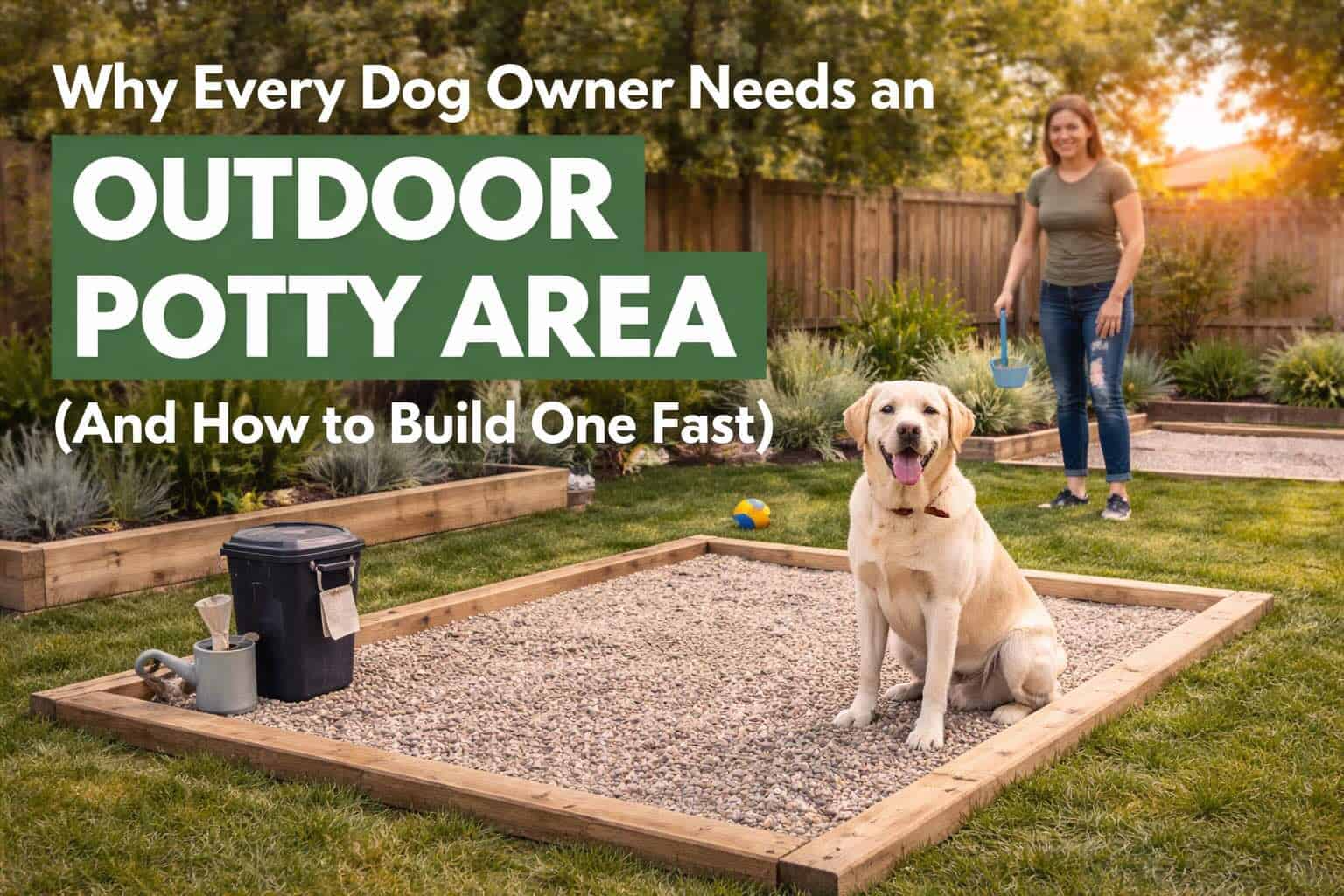
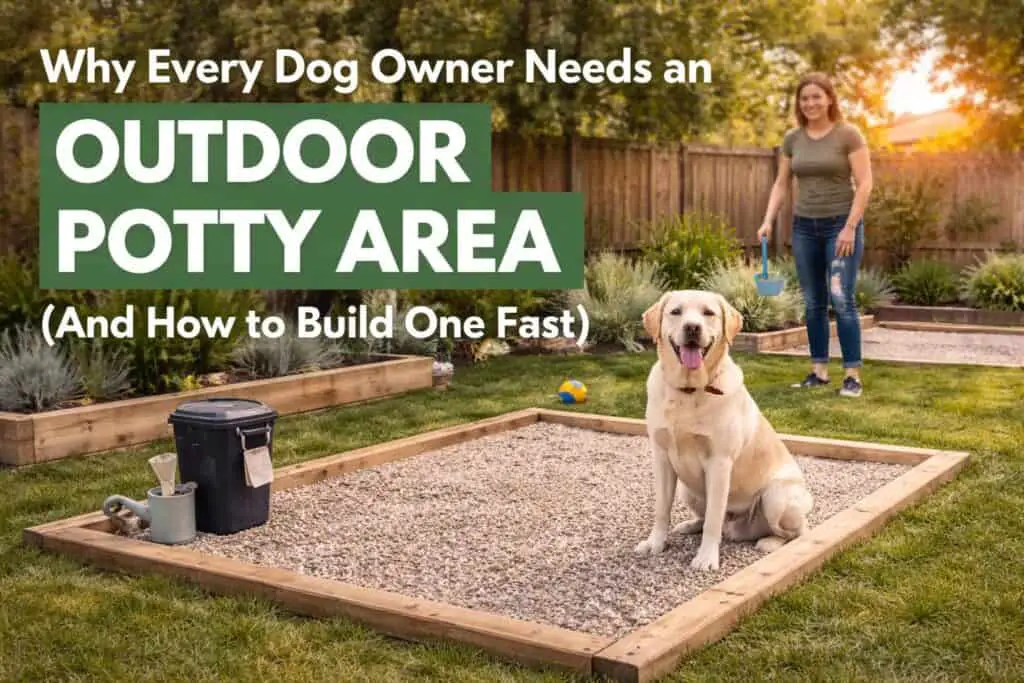
If you’re constantly dealing with muddy paw prints, yellow grass, or surprise cleanups before heading to work, a dedicated outdoor dog potty area is one of the simplest upgrades you can make. It keeps your yard cleaner, makes life easier day-to-day, and doesn’t require advanced DIY skills to set up—something I personally appreciate after a long office day when I just want things to work without a big project.
Less Mess, Less Stress
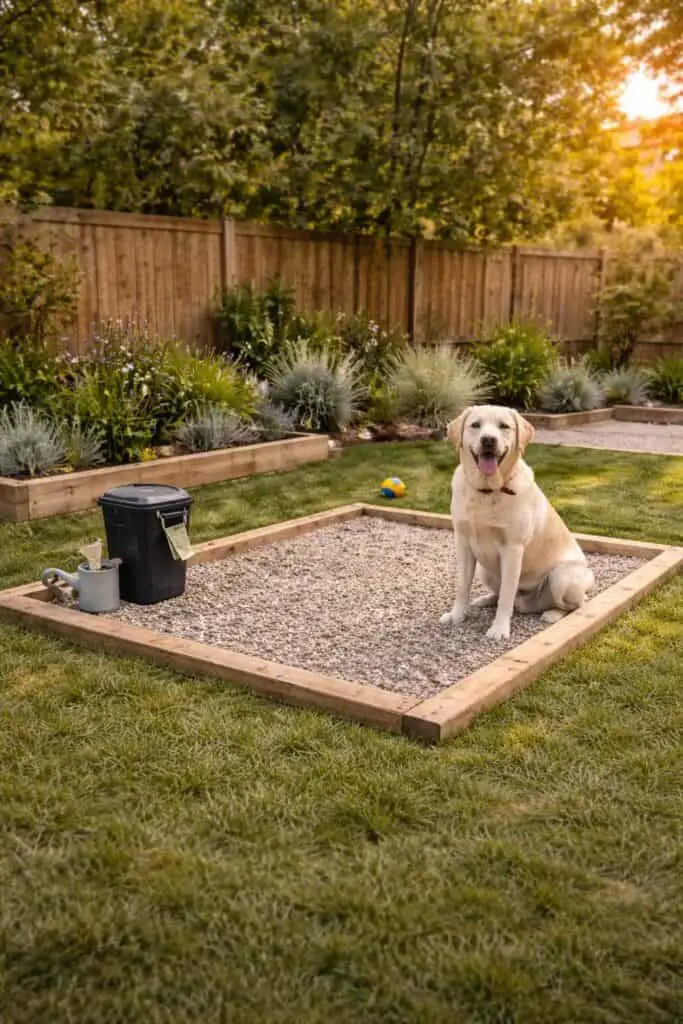
A defined potty space changes everything. Instead of your dog using the entire yard, they begin to associate one specific area with bathroom time. That means fewer random messes, easier cleanup, and no more guessing where to step. Dogs are creatures of habit. Once they get used to going in one spot, they’ll return to it naturally. That alone reduces the mental load of constantly managing your yard. For busy dog owners, especially those juggling work and home life, this small system creates a noticeable sense of order. If your yard currently feels chaotic or constantly dirty, this is the fastest way to take back control without needing a full landscaping overhaul.
Save Your Lawn (Finally)
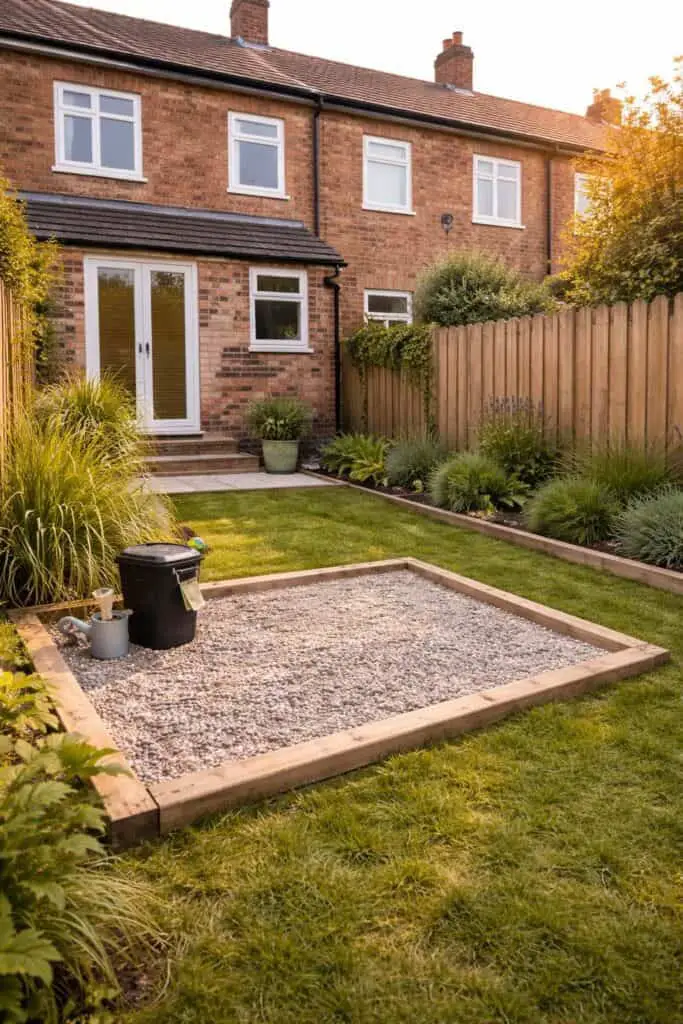
One of the biggest frustrations is watching your lawn slowly get destroyed. Between urine spots and worn-down paths, it doesn’t take long for a nice yard to turn patchy and muddy. A potty area protects the rest of your outdoor space by concentrating the wear and tear in one place. Over time, your grass actually has a chance to recover, and your yard starts to look intentional instead of overused.
Choosing the right material helps even more. Gravel drains well and doesn’t hold odor. Artificial turf gives a clean, green look without maintenance. Mulch is softer and more natural but may need replacing more often. The key is picking something that suits your yard style and how much effort you want to put into upkeep.
Build It Fast (No Skills Needed)
The idea of building anything can feel overwhelming if you’re not particularly handy. But this is one of those projects that’s surprisingly forgiving. You don’t need perfect measurements or expensive tools.
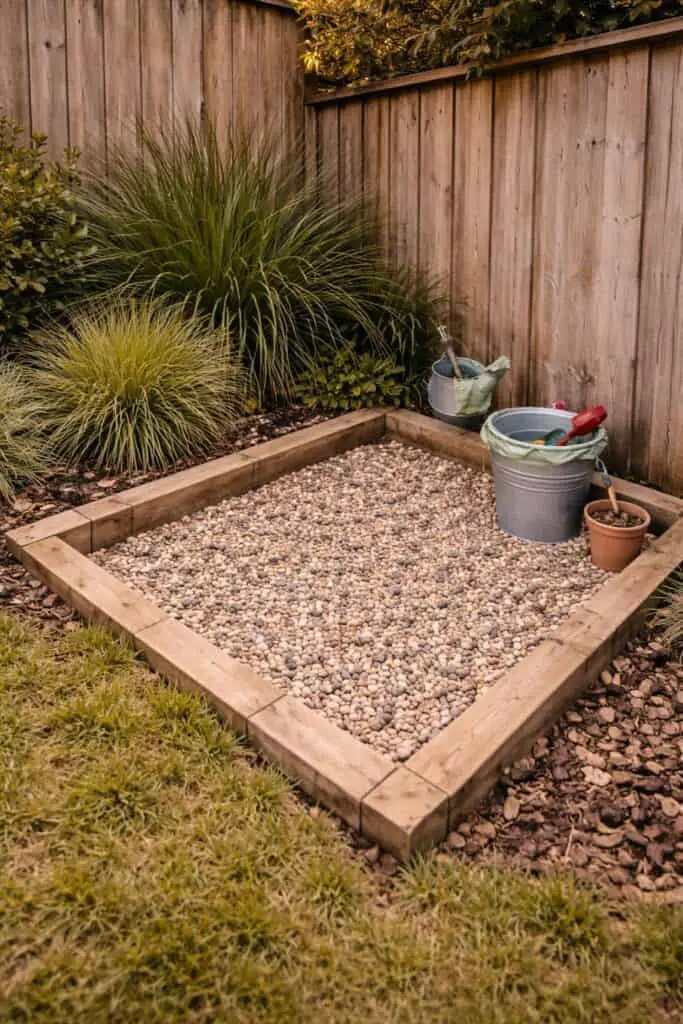
Start by choosing a spot that’s easy for your dog to access but not right in the middle of your main living area. A corner of the yard or along a fence works well. Mark out your space using simple edging—this could be bricks, inexpensive wood, or even flexible garden borders. Then remove a thin layer of grass or topsoil. It doesn’t have to be perfect; just enough to create a base.
Lay down landscape fabric to prevent weeds and help with drainage. Then pour in your chosen material. Spread it evenly, step back, and you’re essentially done. If you want to keep it even simpler, you can skip digging entirely and build a slightly raised area on top of the grass using a frame. It’s not perfect, but it works—and sometimes “good enough” is exactly what you need.
Small Yard? Make It Work
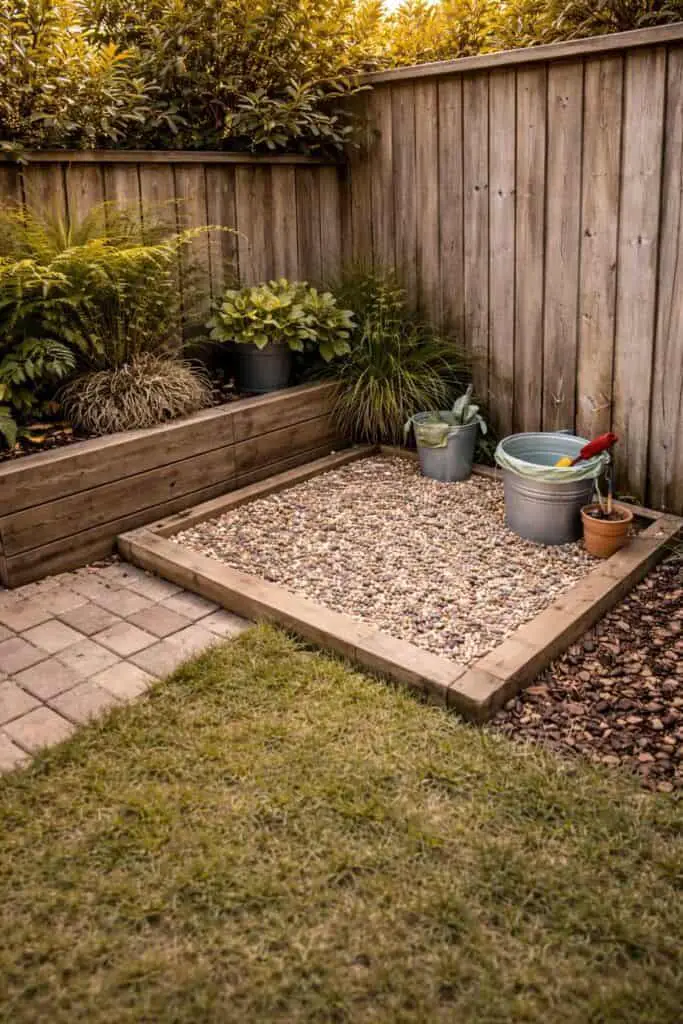
Not everyone has a big backyard, and that’s completely fine. A potty area doesn’t need much space to be effective. In smaller yards, think about using corners or edges that aren’t heavily used. Even a narrow strip along a fence can work. The goal is consistency, not size.
For patios or compact outdoor areas, a dog potty box is a great option. These can be as simple as a shallow container filled with gravel or turf. They’re easy to clean and can be tucked neatly into a corner. If space is tight, visual definition becomes more important. Use borders or a slight change in height to clearly separate the potty area from the rest of your space. That clarity helps both you and your dog.
Design It to Fit Your Garden
One of the biggest misconceptions is that a dog potty area has to look unattractive. It really doesn’t. With a little thought, it can actually blend into your yard—or even improve it. For a modern garden, artificial turf with clean edging creates a neat, minimal look. In more natural spaces, mulch or gravel surrounded by plants feels softer and more integrated.
If your yard has a rustic or DIY feel, using reclaimed wood or simple stone borders can make the space feel intentional without spending much money. You can also incorporate the potty area into a larger dog-friendly zone. Pair it with a small play area or shaded rest spot so everything your dog needs is in one place. This not only looks better but also makes your yard more functional overall.
Keep It Clean Without Effort
The success of your potty area depends on how easy it is to maintain. The goal is to reduce effort, not create more work. Gravel areas can be rinsed occasionally with a hose to reduce odor. Artificial turf can be sprayed down and brushed lightly to keep it fresh. Mulch may need topping up every so often, but it’s inexpensive and easy to replace.
For waste, keeping a small bin or disposal system nearby makes a big difference. When everything is in one place, cleanup becomes quick and routine rather than something you put off. A simple habit—like doing a quick check each evening—keeps the area manageable and prevents buildup.
Make It Easy for Your Dog
Even the best setup won’t work if your dog doesn’t use it. The transition doesn’t have to be complicated, though.Start by guiding your dog to the new area during their usual bathroom times. Consistency is more important than anything else. Reward them when they use the space correctly, and gently redirect them if they go elsewhere.
Some people find it helpful to place a small amount of their dog’s waste in the new area initially. It sounds a bit odd, but it helps signal that this is the right spot. Most dogs catch on quickly, especially if the area is easy to access and feels natural under their paws.
A Simple Upgrade That Changes Everything
Creating an outdoor dog potty area isn’t about building something perfect—it’s about making your daily routine easier. It keeps your yard cleaner, protects your grass, and gives your dog a clear, consistent place to go.
If you’ve been putting it off because it feels like a big project, it really isn’t. A couple of hours, a few basic materials, and a simple plan are all it takes to completely change how your outdoor space works.
And once it’s done, you’ll wonder why you didn’t do it sooner.