
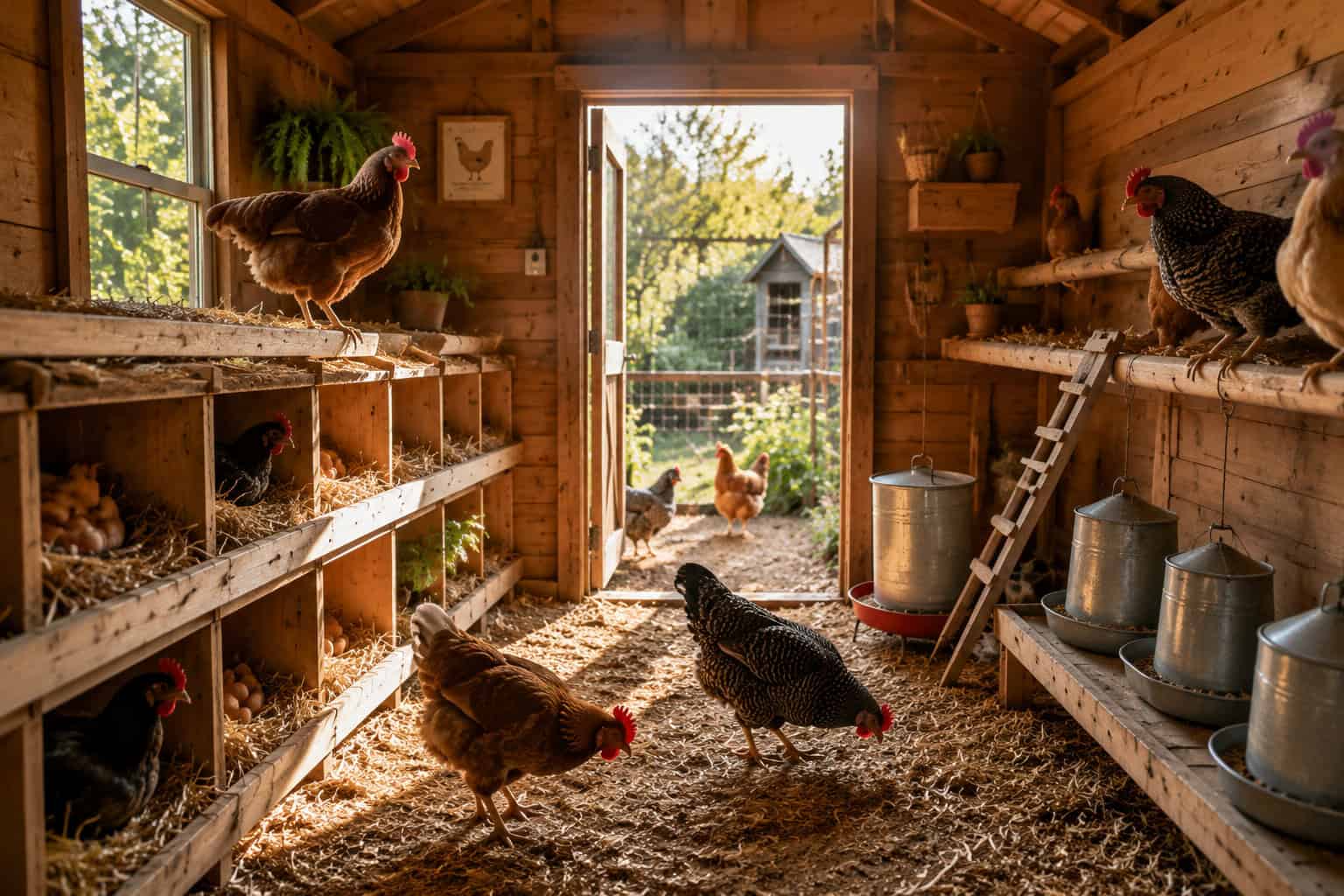
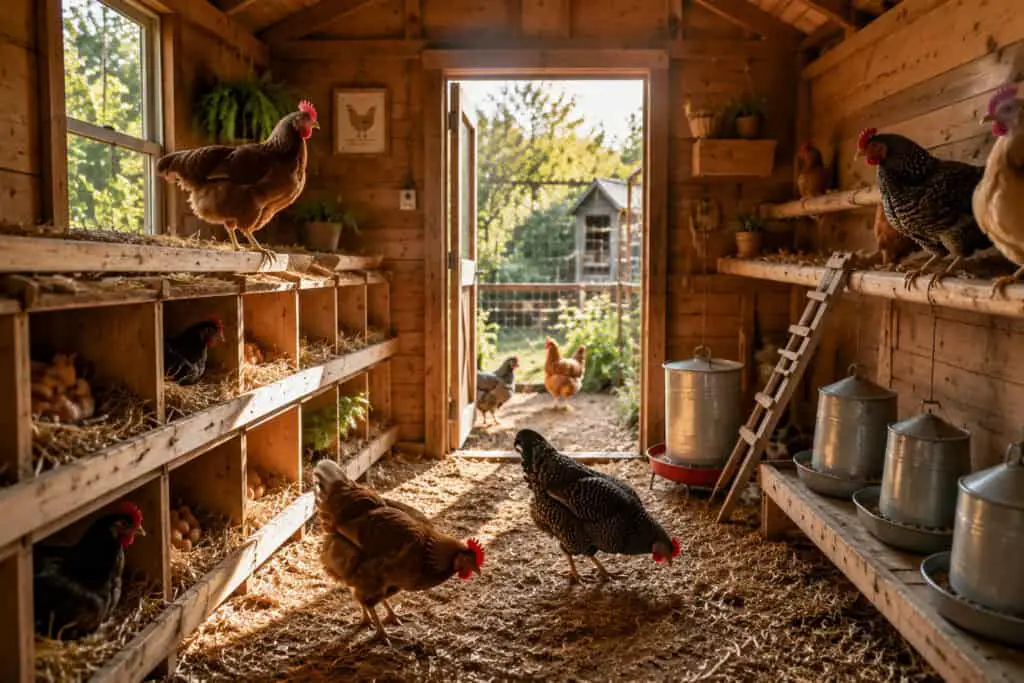
When I first started looking at chicken coop ideas, I thought the hardest part would be building the structure itself. But the more you learn about keeping hens, the more you realise the inside layout is what really makes or breaks a coop. A beautiful coop can quickly become frustrating if the nesting boxes are awkward to reach, the feeders create mess, or cleaning involves crawling into tiny spaces. The best chicken coop designs are not just about how they look—they are about creating a space that keeps chickens happy, keeps daily jobs easier, and works with your routine.
Start With How You’ll Use the Coop Every Day
Think beyond the first day
One of the biggest mistakes people make is designing a coop around how they want it to look rather than how they’ll actually use it. It’s easy to get carried away with cute features and Pinterest inspiration, but your future self will appreciate a layout that makes everyday jobs simple.
Think about your morning routine. Where will you collect eggs? How easy is it to refill food and water? Can you clean the coop without struggling to reach awkward corners? These small details become important when you’re doing the same tasks every single day.
A practical chicken coop should feel easy to move around in, with everything placed where it naturally makes sense.
Give Your Hens the Right Roosting Setup
A good night’s sleep matters
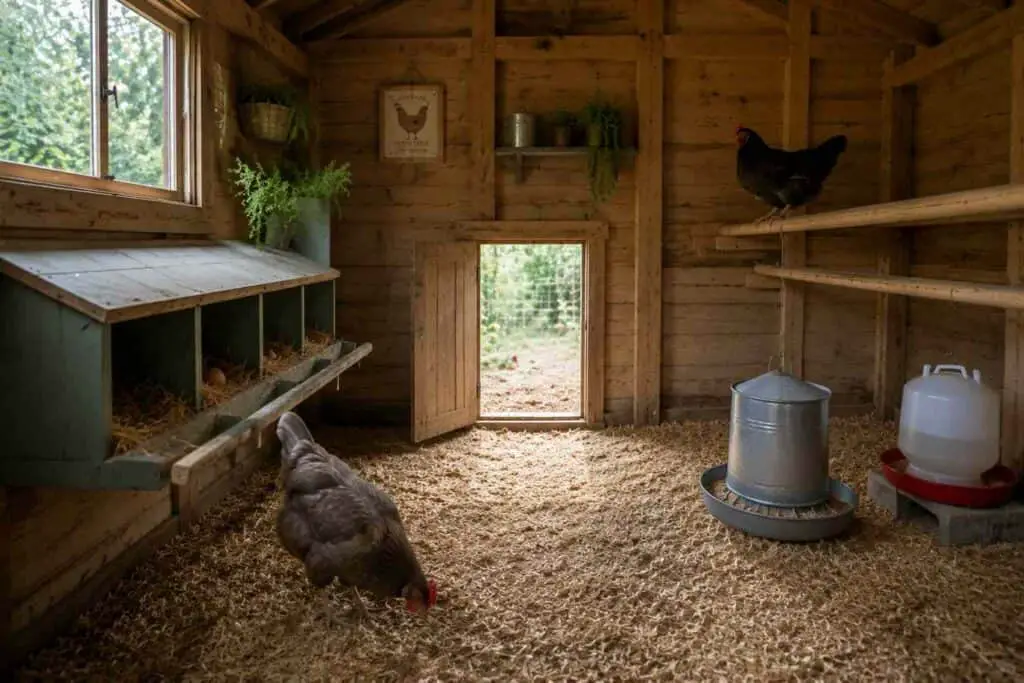
Roosting bars are one of the most important parts of any chicken coop layout. Chickens naturally like to sleep up high, so giving them a comfortable place to perch helps them feel safe and settled.
Place roosting bars higher than nesting boxes, as chickens often choose the highest spot available. If nesting boxes are higher, you may find your hens sleeping where they should be laying eggs—which creates extra cleaning work.
Choose sturdy materials with enough space for each bird to comfortably perch. Wooden bars are usually better than slippery materials because they allow chickens to grip properly. A little planning here can make a huge difference to the comfort of your flock.
Design Nesting Boxes That Actually Work
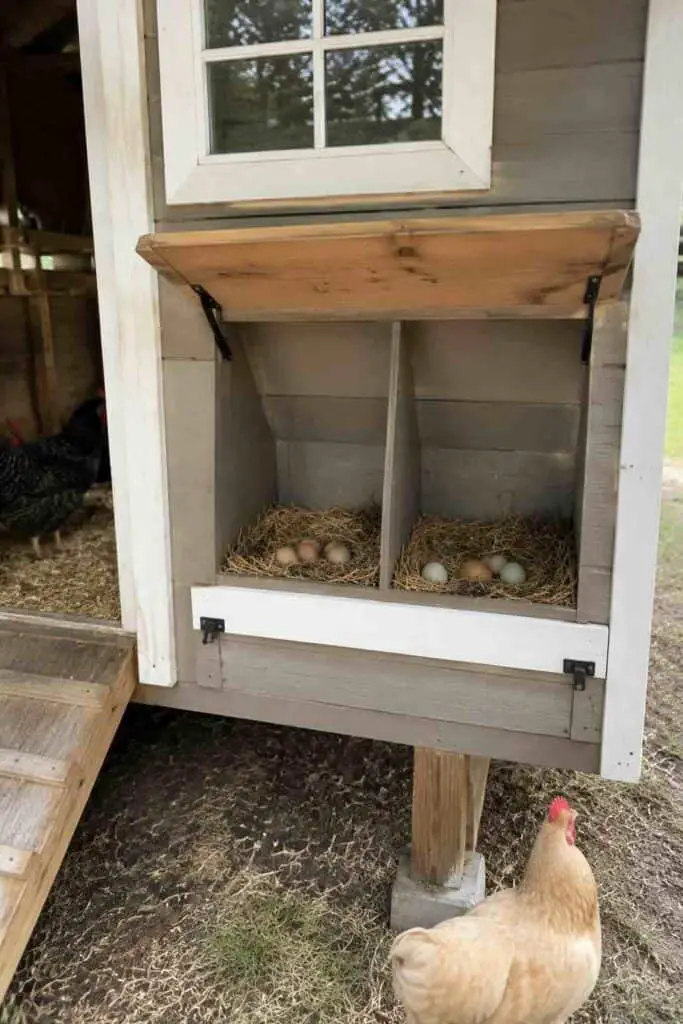
Pretty is good, practical is better
Nesting boxes are often one of the first things people think about, but the positioning matters just as much as the design. They should be placed somewhere quiet, darker, and easy for hens to access.
A common mistake is creating nesting boxes that are difficult for you to reach. You’ll be collecting eggs regularly, so make sure they are at a comfortable height and easy to clean.
External-access nesting boxes are a brilliant idea for busy chicken keepers. They allow you to collect eggs without walking through the coop every time, and they can make cleaning much easier.
Keep Feeders and Waterers Mess-Free
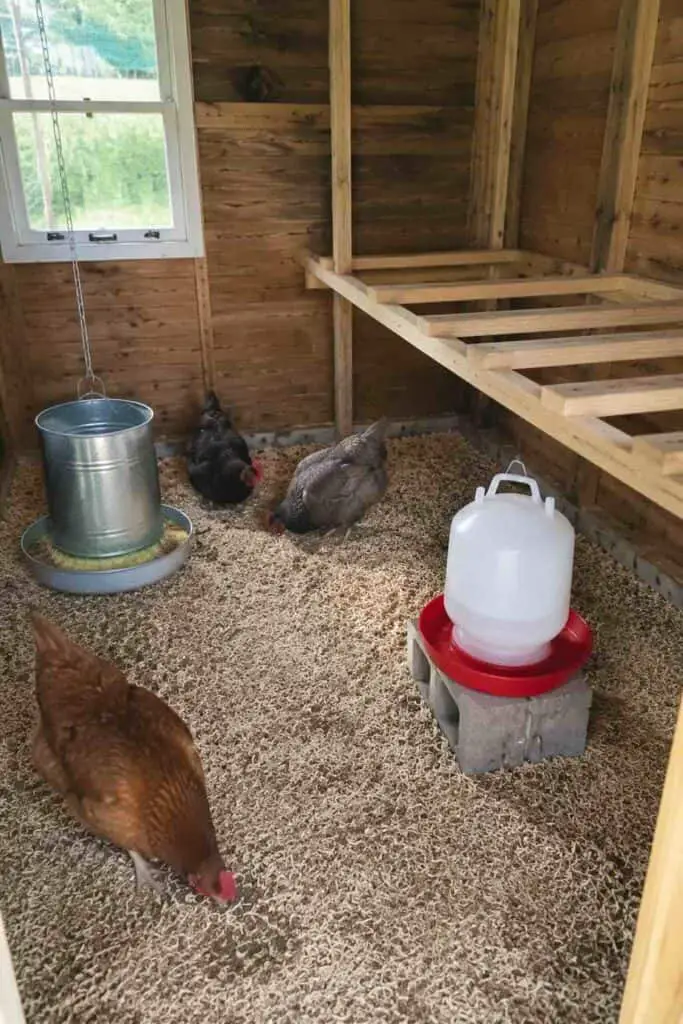
Small changes, less cleaning
Food and water placement can have a huge impact on how clean your coop stays. Putting feeders directly under roosting bars is usually a recipe for a mess, as droppings can quickly contaminate the area.
Try hanging feeders slightly off the ground or placing them where chickens can easily access them without kicking bedding everywhere. Waterers should also be positioned to avoid spills creating damp areas.
Damp bedding can lead to unpleasant smells and unhealthy conditions, so keeping feeding areas tidy is one of the simplest ways to maintain a better coop.
Plan Enough Space for Your Chickens
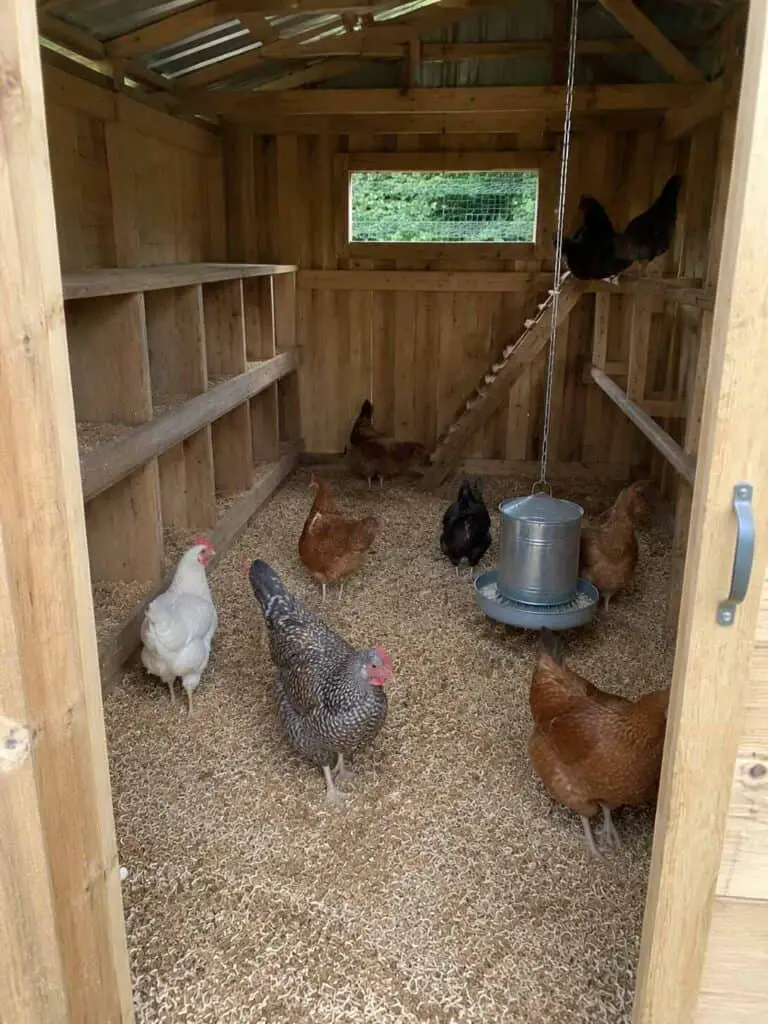
Avoid the cramped coop problem
It’s tempting to build smaller because it costs less, but chickens need room to move comfortably. A cramped coop can lead to stress, bullying, and more cleaning issues.
The right amount of space depends on how many chickens you keep, but planning with a little extra room is always helpful. You may decide to add more hens in the future, or simply appreciate having more space when cleaning and maintaining the coop.
A slightly larger design gives you more flexibility and usually creates a healthier environment.
Make Cleaning Easy From the Start
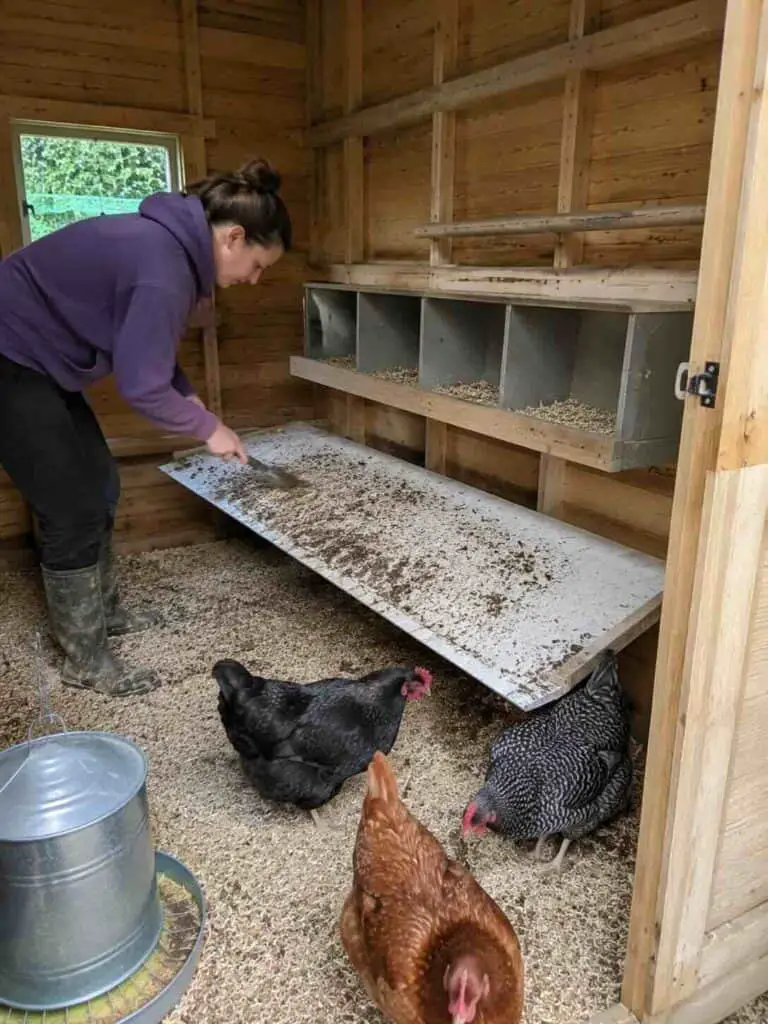
Future you will thank you
Cleaning is probably the least exciting part of chicken keeping, but a clever layout can make it much easier. Think about access points, removable sections, and surfaces that won’t trap dirt.
Large doors are incredibly useful, especially in bigger coops. Being able to comfortably step inside and reach all areas is much better than trying to clean through a tiny opening.
Many people also add removable dropping boards beneath roosting bars. These catch much of the mess overnight and can be cleaned quickly without disturbing the whole coop.
Consider a Walk-In Chicken Coop Design
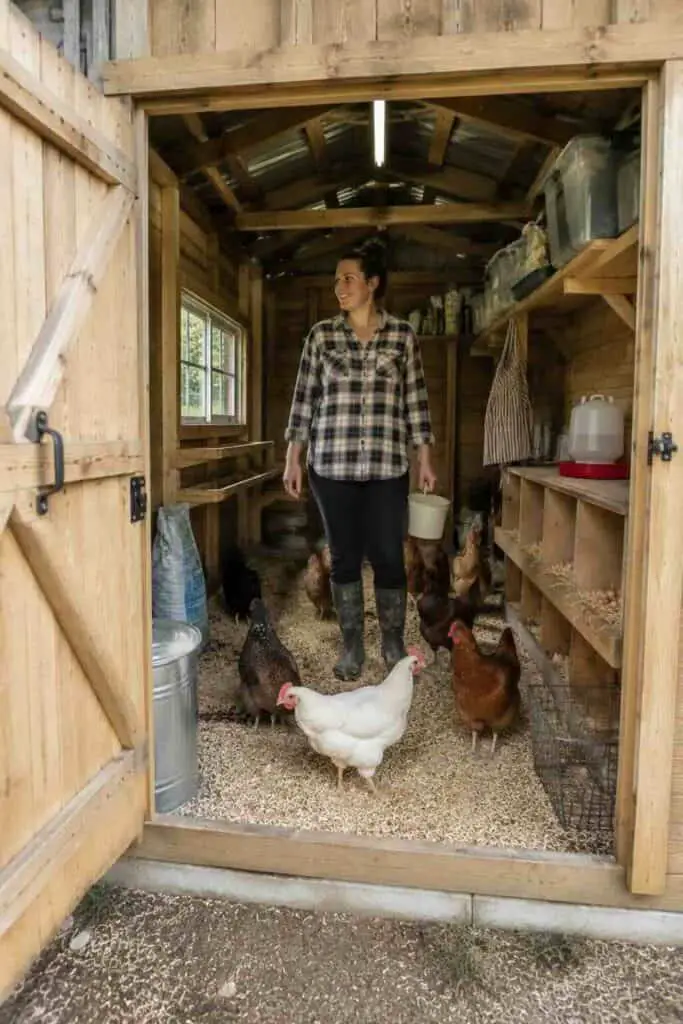
Comfort for you and your hens
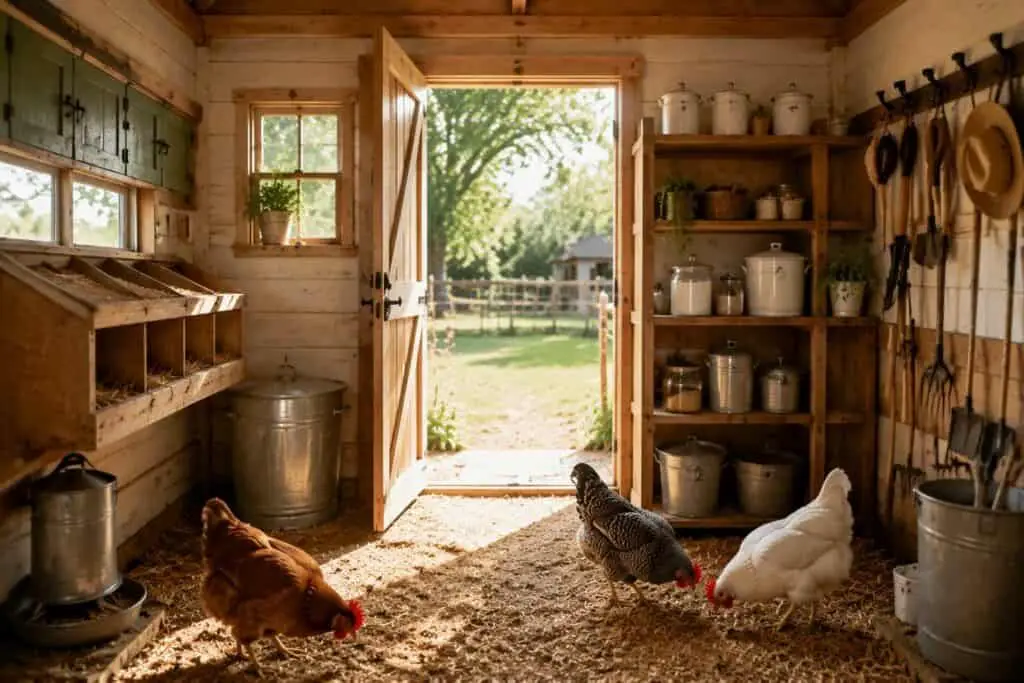
Walk-in coops are becoming increasingly popular because they make chicken care much easier. Instead of bending, crawling, or reaching awkwardly, you can simply walk inside and handle everything comfortably.
They are especially useful for larger flocks or anyone who wants extra storage space inside the coop. You can add shelves for feed supplies, cleaning tools, or spare bedding.
Even if you only have a few hens, a walk-in design can make your chicken-keeping experience much more enjoyable.
Add Smart Storage Into Your Layout
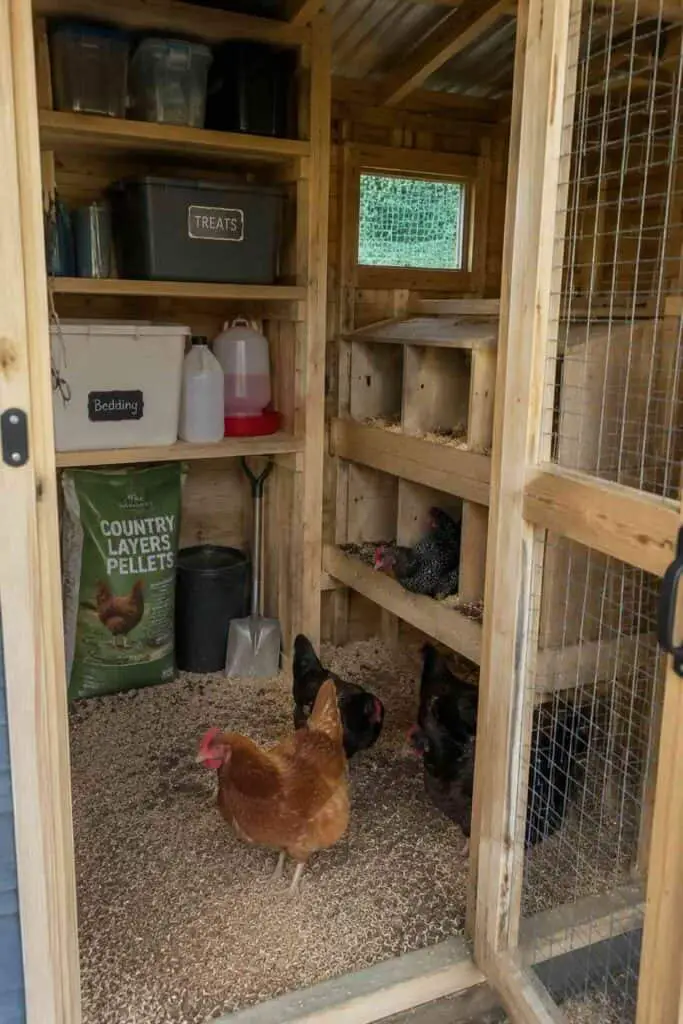
Keep everything close
A well-designed chicken coop often includes storage because chicken keeping comes with more equipment than many people expect. Feed bags, bedding, treats, cleaning tools, and egg baskets all need somewhere to go.
Adding a small storage area inside or beside your coop keeps everything organised and saves you from carrying supplies back and forth.
For shed conversions, this is one of the easiest upgrades because you can divide the space into a chicken area and a practical storage zone.
Think About the Run Connection
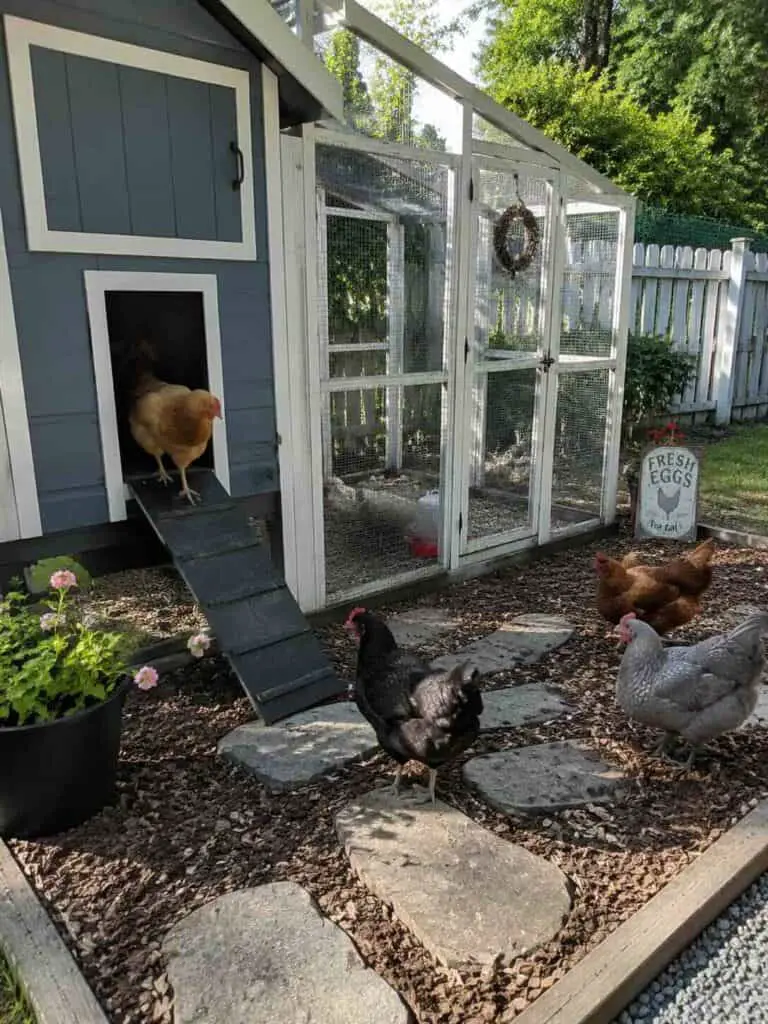
The coop is only half the setup
A great chicken coop layout doesn’t stop at the door. The connection between the coop and run affects how smoothly everything works.
Ideally, chickens should be able to move easily between sleeping, nesting, and outdoor areas. Consider where the pop door will be placed and whether it creates a muddy area from repeated use.
Adding stepping stones, gravel, or a more durable surface around entrances can help prevent muddy patches, especially during wetter months.
Create a Coop That Fits Your Garden
Practical can still be beautiful
Chicken coops don’t have to look like an afterthought in your garden. With thoughtful design, they can become a lovely feature that blends into your outdoor space.
A cottage garden style coop surrounded by flowers can look charming, while a modern timber design can suit a more contemporary garden. Even a simple shed conversion can be transformed with clever planting and a tidy layout.
The best designs balance function with personality, creating a space that works for both your chickens and your home.
Think Long-Term Before You Build
Plan once, enjoy for years
The biggest lesson when designing a chicken coop is to think about the future. It’s easy to focus only on what you need today, but a little extra planning can make your setup last much longer.
Consider whether you might keep more chickens, whether you’ll need more storage, and how your routine may change over time. A good coop should make chicken keeping feel enjoyable rather than like another difficult chore.
The perfect chicken coop isn’t necessarily the biggest or most expensive—it’s the one designed around real life. When the layout works, everything from collecting eggs to cleaning becomes easier, and your hens get a safer, happier space to call home.