
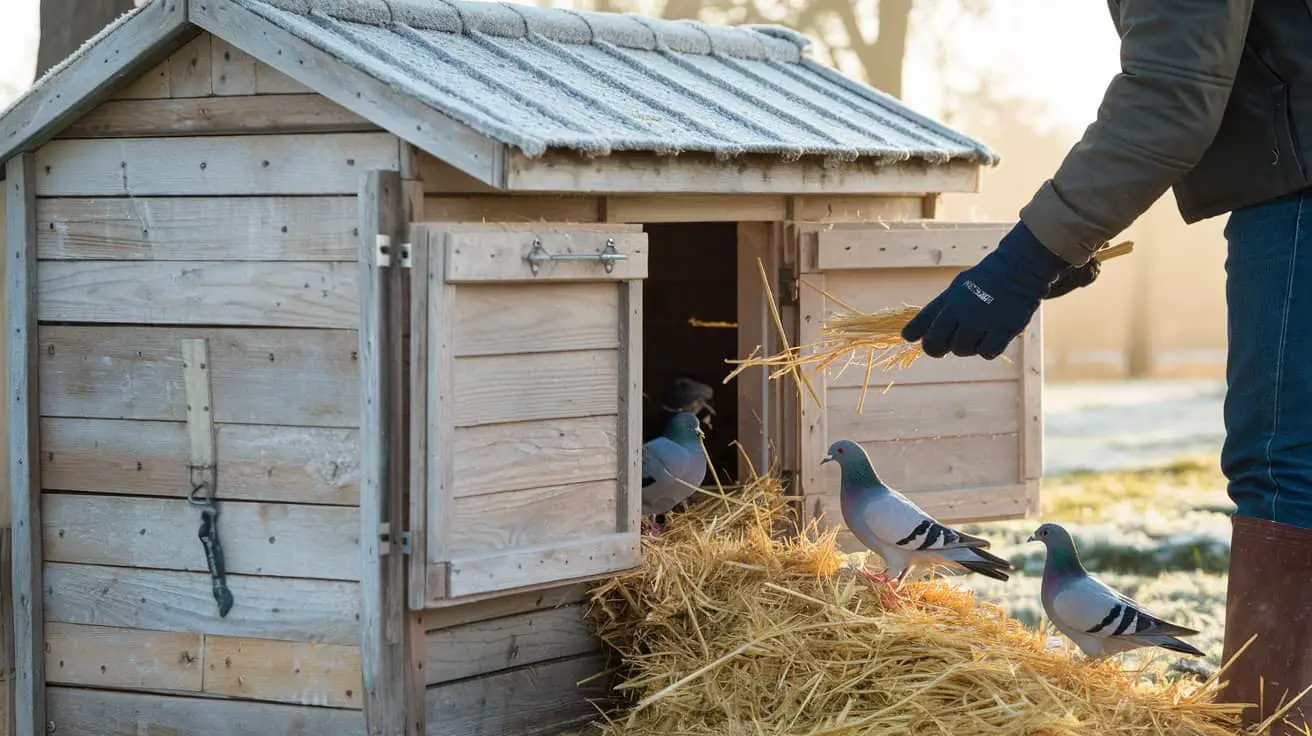
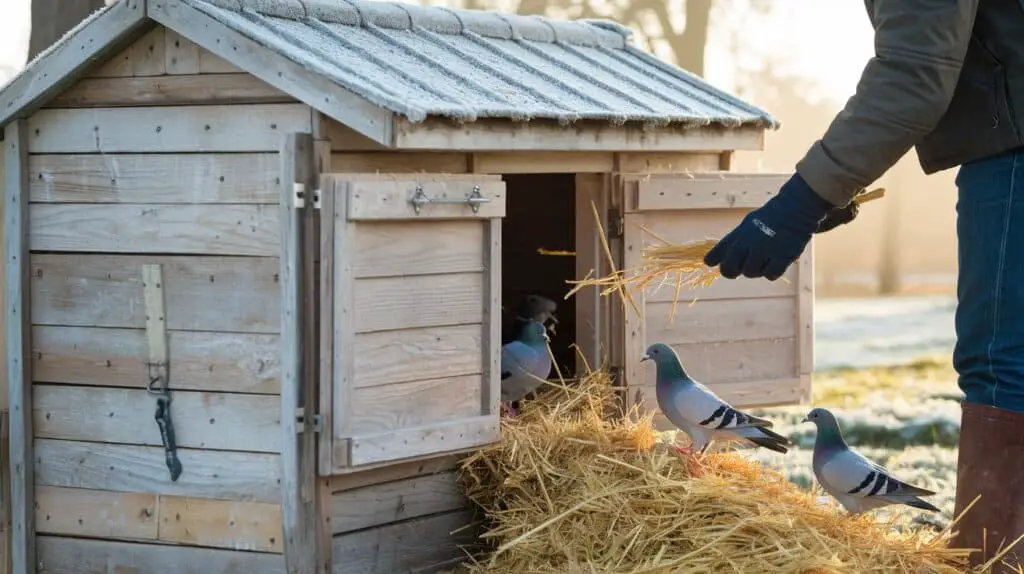
If you’ve ever stepped into your pigeon loft on a frosty morning and instantly felt that chill run through your bones, you can imagine how your birds must feel. Winter can be tough — not just for us, but for our feathered companions who rely on us to keep their little world safe, warm, and comfortable. Every year around late autumn, I find myself doing that same routine: checking insulation, tightening wire mesh, fixing that one loose latch that somehow always comes undone right before the cold hits.
The good news? Preparing your pigeon loft for winter doesn’t need to be complicated or expensive. A few small changes can make a huge difference in how your pigeons handle the season. Think of it like giving their home a cozy upgrade — part cleaning, part weatherproofing, and part TLC. Whether you have racing pigeons, doves, or a small backyard flock, winter prep keeps them healthy, dry, and happy through the coldest months.
Here’s a step-by-step guide to getting your loft winter-ready — practical tips mixed with a few small design tweaks that’ll make your space feel both warm and well cared for.
1. Check for Drafts and Seal Gaps
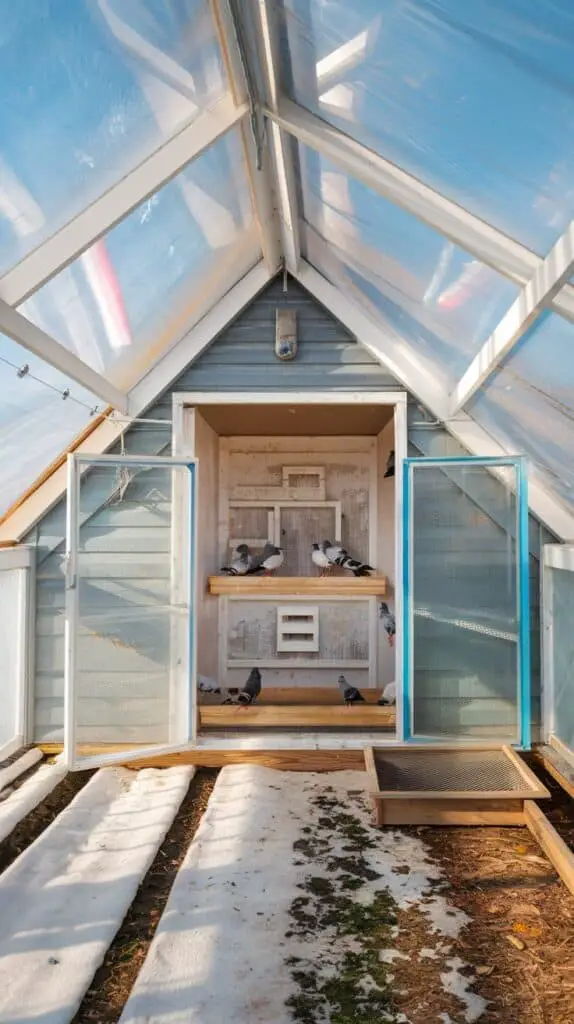
Before winter really sets in, walk around your pigeon loft and check for gaps, cracks, or holes — especially near the roofline, corners, and door frames. Cold air sneaks in easily, and while pigeons can handle cool temperatures, constant drafts lead to stress and illness.
Use weatherproof caulking or thin wooden slats to seal those gaps, but don’t close off ventilation completely. You still need airflow to prevent moisture buildup. The trick is to create controlled ventilation — fresh air should come in high and exit through another vent, not sweep across your birds.
For metal or mesh lofts, attach clear plastic sheeting or removable plexiglass panels over exposed sides. It’s an easy, affordable way to block harsh wind while keeping the natural light. I like using clear materials because they keep the loft bright and airy — even on those dull gray days when the sun barely shows up.
2. Add Natural Insulation Without Overheating
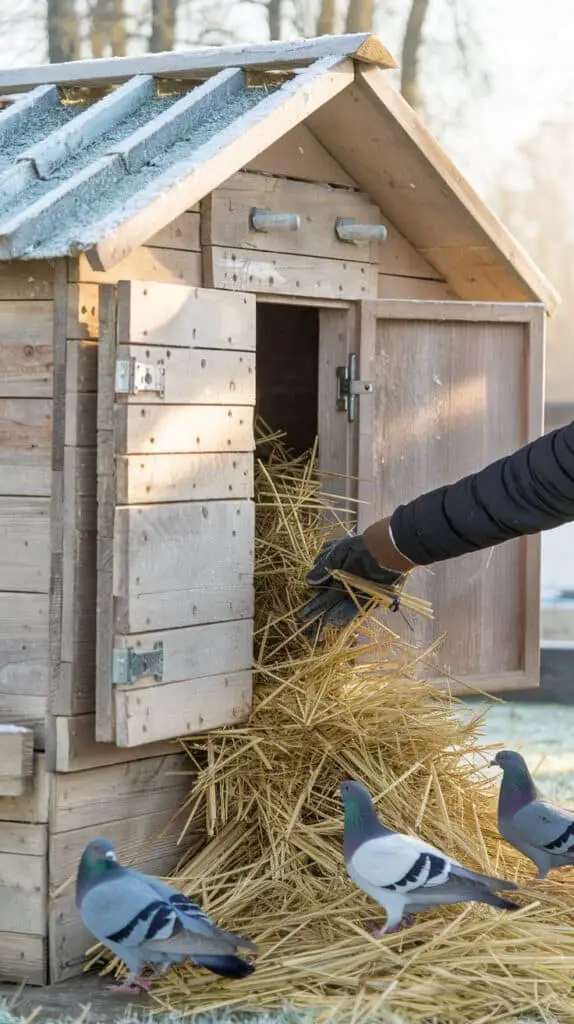
You don’t need high-end insulation panels to make a pigeon loft warm — sometimes the best fixes are the simplest. Add layers of straw or wood shavings to the floor for warmth and softness. If your loft has raised perches, place a thicker layer of bedding underneath where droppings won’t accumulate too fast.
Wood is a natural insulator, so adding a second inner wall or hanging a heavy curtain of burlap or thick cloth over drafty areas helps retain heat. Just make sure it doesn’t block airflow completely. The goal is comfort, not stuffiness.
Avoid adding heat lamps unless absolutely necessary; pigeons adapt well to cool air if it’s dry and stable. Overheating them can cause respiratory issues. You’re aiming for “cold but cozy” — not “tropical bird spa.”
3. Waterproof the Roof and Walls
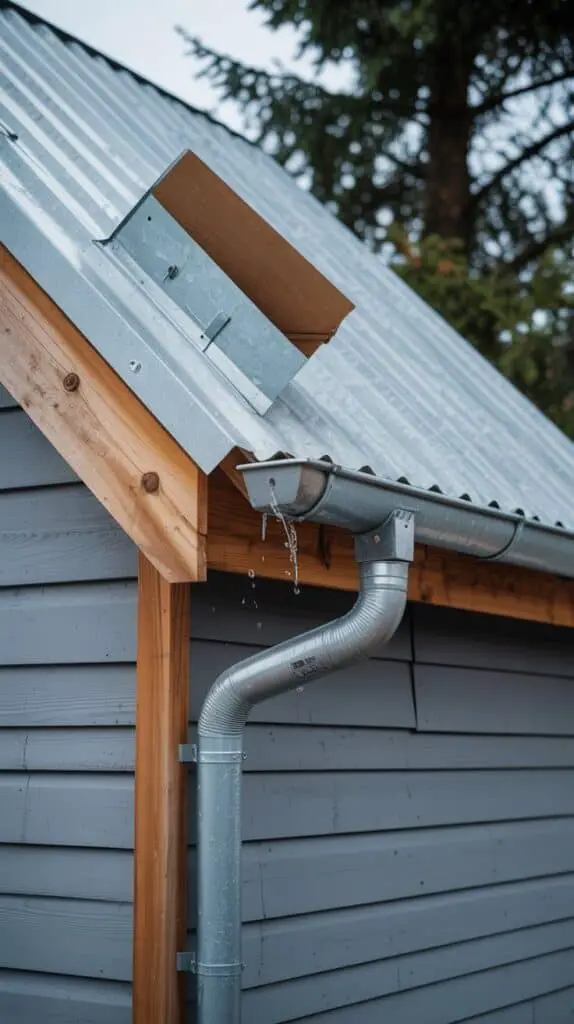
A small leak in autumn turns into a big problem in winter. Rain and snow seep into cracks fast, chilling the air and dampening bedding. Before the first snow, climb up and inspect your loft’s roof. Look for gaps where water might get in, and patch them with roofing tape or sealant.
If you use tin or sheet metal roofing, check that screws and washers are tight. For wooden roofs, reapply a weatherproof coating or wood seal. Adding a slight overhang or gutter edge can also direct water away from entrances.
For walls, give them a fresh coat of outdoor-safe paint or varnish — something breathable but moisture-resistant. Not only will it protect the loft, it also keeps it looking neat and refreshed before the long winter months.
4. Deep Clean Before It Gets Too Cold
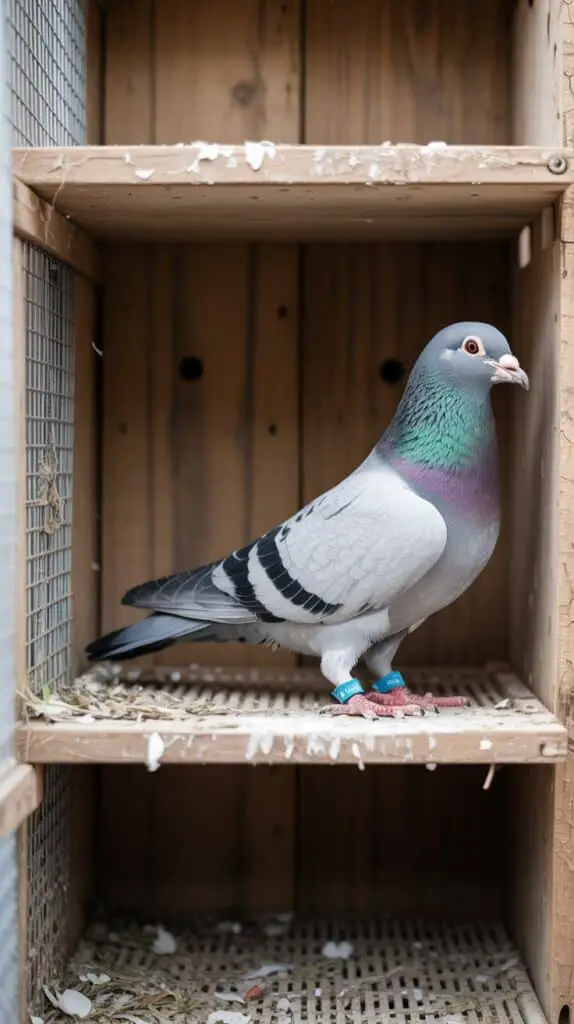
Once the cold sets in, cleaning becomes ten times harder. So before winter arrives, give your pigeon loft a serious deep clean. Remove all bedding, scrape off dried droppings, and disinfect perches and nesting boxes with a mild bird-safe cleaner.
Good hygiene keeps parasites, bacteria, and respiratory problems at bay — especially when birds are spending more time indoors. Let everything dry completely before adding new bedding.
This is also the time to check perches for sharp edges or broken nails, and make small repairs before they turn into mid-winter emergencies. Think of it as a fresh start — like a deep house clean before the holidays, but for your pigeons.
5. Provide Extra Perches and Resting Spaces
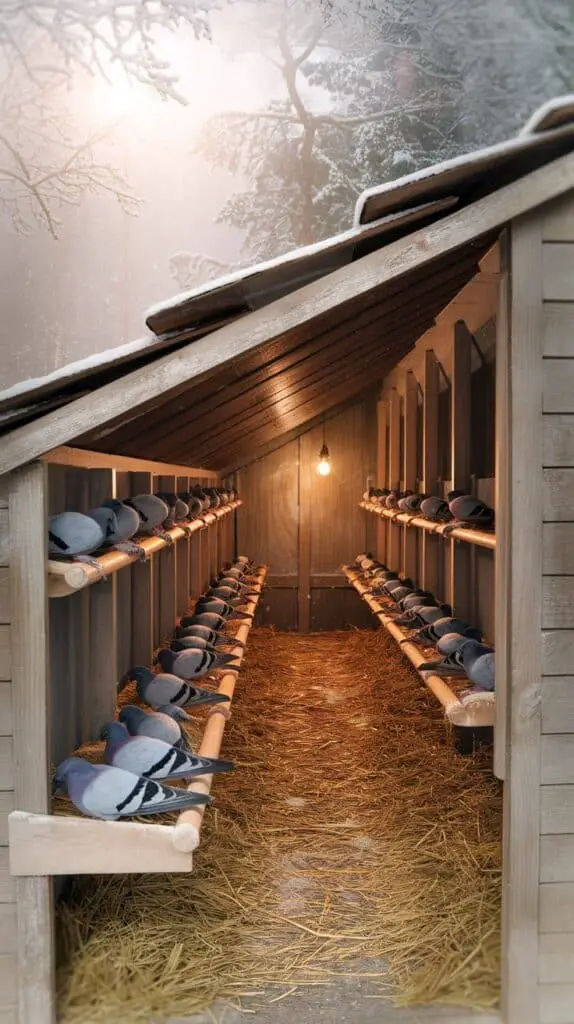
Pigeons love roosting together in winter — it’s how they share body warmth. If your loft feels a bit cramped, add a few extra perches along the walls or in corners to prevent crowding. Use smooth wooden dowels or narrow beams, spaced evenly so each bird has room to settle without bumping wings.
For nesting pairs, add a bit more bedding in their boxes — shredded straw, hay, or pine shavings work best. The thicker the layer, the more insulation they’ll have from the floor’s cold surface.
Some pigeon keepers even create “sleeping shelves” — wide ledges lined with straw where birds can gather comfortably. It’s a small touch that makes a big difference, especially for younger or smaller pigeons.
6. Upgrade Their Food and Water Routine
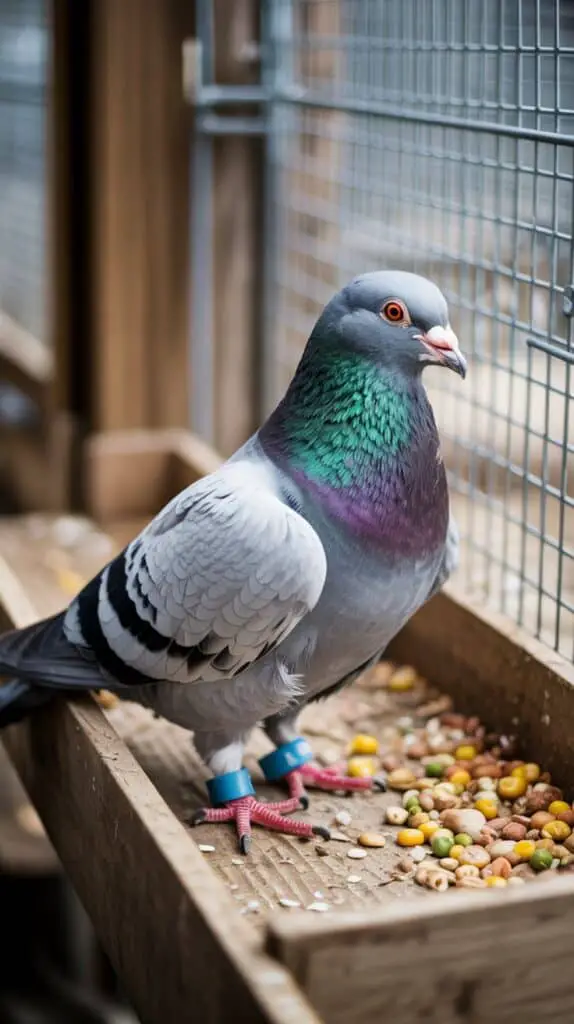
Cold weather burns more energy, so your pigeons need a slightly richer diet. Mix in grains like corn and peas, and consider a vitamin supplement for feather and immune health. Always provide clean water — ideally in a covered container that won’t freeze.
If you live somewhere very cold, use a heated water base or rotate fresh water twice daily. Keeping it at room temperature helps prevent dehydration and keeps their digestive system running smoothly.
A clean, reliable feeding routine also gives your pigeons structure. They thrive on consistency — something comforting when the weather turns unpredictable.
7. Prepare for Storms and Snow
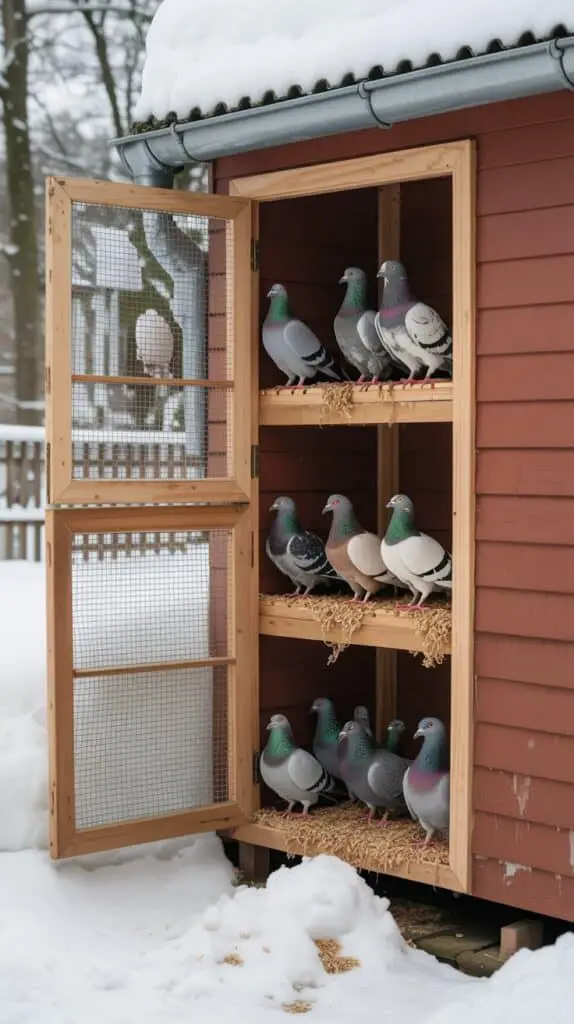
Winter storms can hit suddenly, and pigeons sense those changes before we do. Have an emergency plan: a few extra bags of bedding, grain, and backup perches or coverings stored inside a waterproof bin.
If your loft is outdoors, shovel snow away from entrances to keep airflow and access clear. If it’s on a roof or elevated platform, check the structure after heavy snow to make sure it’s not overloaded.
Keeping everything secure and organized means you’ll never find yourself rushing around in freezing rain trying to fix something that could’ve been handled earlier.
Final Thoughts
Preparing your pigeon loft for winter is really about balance — keeping your birds warm without shutting out the air and light they need. It’s less about luxury and more about care: sealing a gap, changing bedding, checking that water doesn’t freeze overnight.
Once you’ve done it, you’ll feel the difference — stepping into a loft that’s dry, calm, and softly rustling with feathers feels like stepping into a tiny world that’s completely at peace. And while the wind howls outside, your pigeons will stay snug, quietly reminding you that comfort doesn’t need to be complicated — it just needs to be consistent, thoughtful, and built with love.