
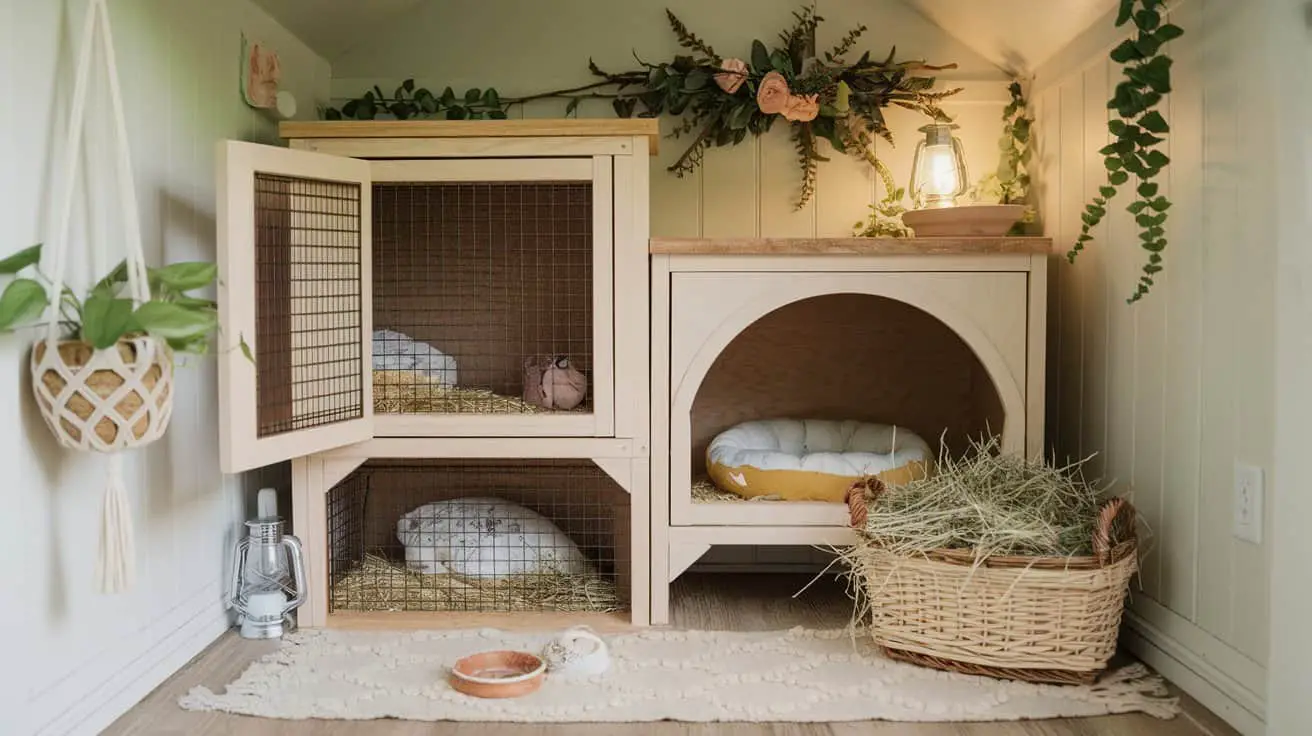
If your rabbit’s current “real estate” situation feels more like a garden shed afterthought than a cozy nook, don’t worry—you’re not the only one. Somewhere between the cheap wire cages and overly complex Pinterest blueprints, there’s a sweet spot: a rabbit hutch that’s both charming and practical, for indoors or under a sheltered outdoor spot.
Let’s talk about building a rabbit home that’s just that—a home. Not a box. Not a cage. But a little apartment for your bunny or guinea pig that gives them space to hop, hide, and snuggle in style. Whether you’re working with a garden rabbit shed, a balcony, or a quiet corner of your kitchen, it’s easier than you think to create something lovely and livable.
A Multi-Level Hutch With Heart
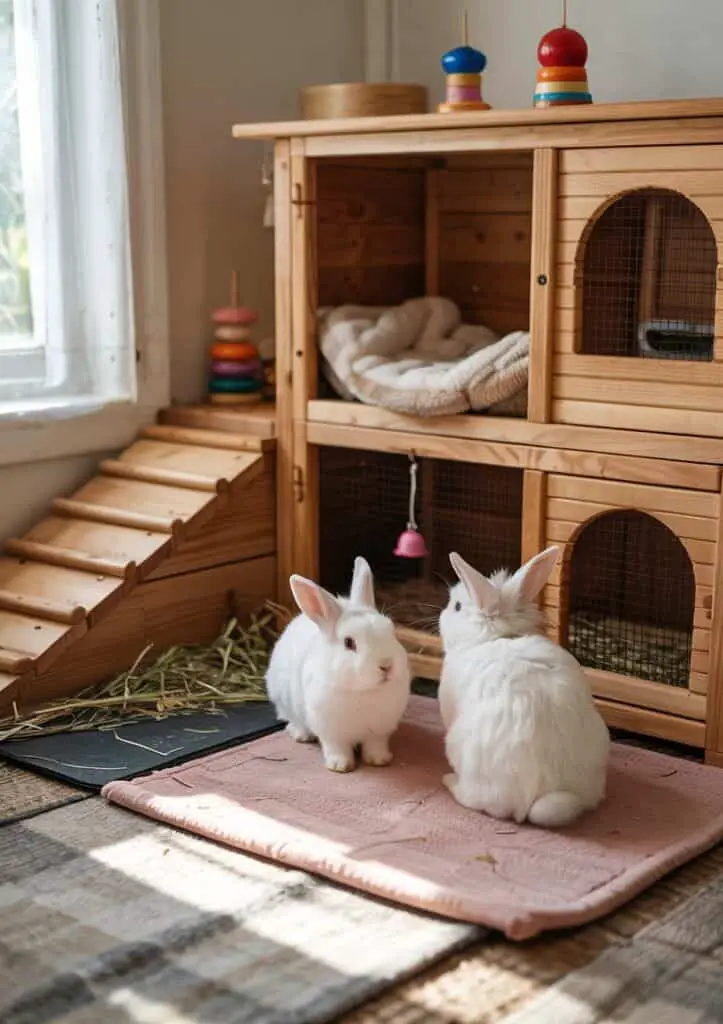
Start by imagining a tiered design—almost like bunk beds but fluffier. A small ramp can connect a sleeping loft to a hay-lined lower level, and if you’re building something yourself, platforms made of pine or birch look beautiful and smell just as comforting. Add a soft blanket up top (white or pastel colors look especially sweet in winter), a little toy or two, and even a miniature basket bed for daytime naps.
This isn’t just for looks—rabbits and guinea pigs love vertical space. It lets them explore without needing a huge floor plan, which is ideal for apartments or smaller homes. Just make sure the ramps are grippy and gentle on their little feet.
Netting, Light, and Easy-Clean Design
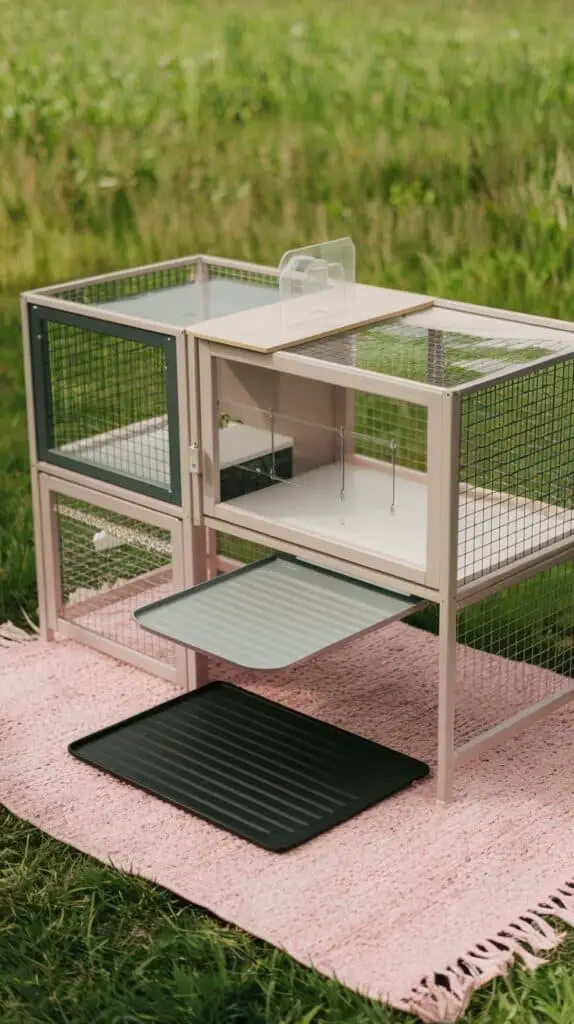
Enclosing the sides with soft netting or clear plastic panels instead of traditional bars gives the hutch a cleaner, more modern feel. Plus, your bunny will still be able to see you coming, which can help nervous ones feel more relaxed. If you can, include a wide opening door at the bottom for easy cleaning (and for those energetic escape attempts).
You can also layer a pink or earth-toned rug underneath the whole thing to catch hay and keep it all grounded visually. A dark mat under the feeding area keeps pellets and veggies in one zone—and gives your rabbit a little extra traction when they get the zoomies.
Don’t Forget the Decor
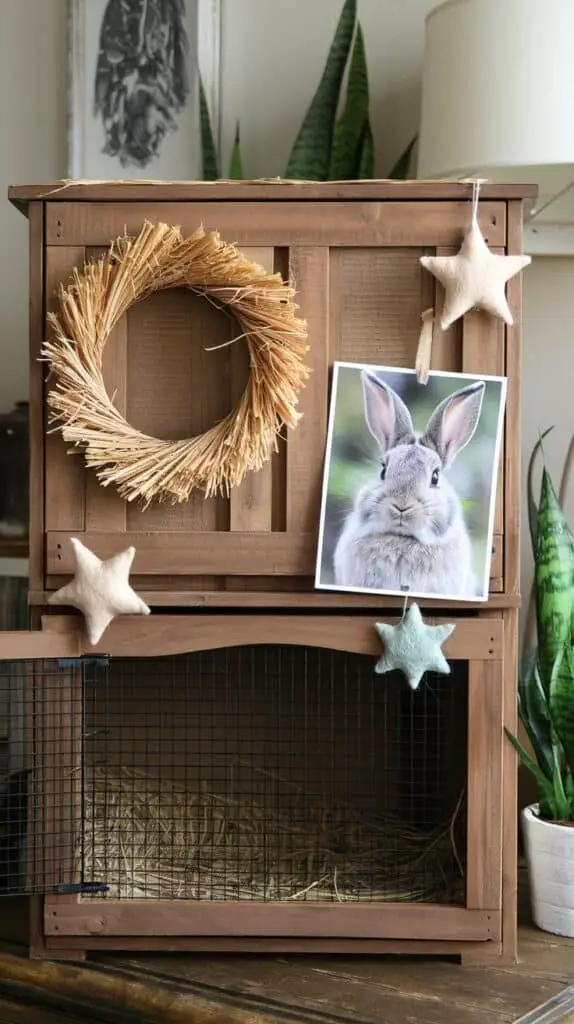
Okay, maybe your rabbit won’t notice the difference between “farmhouse rustic” and “modern Japandi,” but let’s be honest—you will. Try using wood tones that match your interior, or repainting your rabbit hutch in soft greys or creams. Even a DIY bunny hutch can look high-end with the right touches.
Got space for a mini feature wall? Hang a small straw wreath, clip a pet-safe photo of your bunny to the outside, or string up a few felt stars along the top. Little details make your hutch feel more like part of the room instead of a bulky add-on.
For Outdoor Setups (Under Cover)
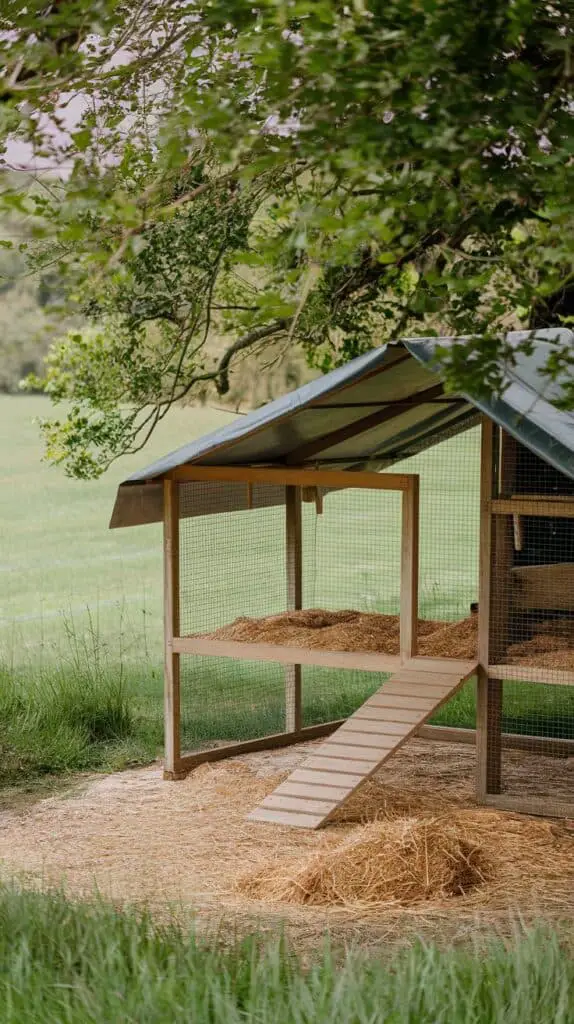
If your setup is part of a larger rabbit shed or enclosed patio, you’ve got even more flexibility. Place the hutch near a window or sheltered edge so it gets natural light but stays protected from wind or cold. Add a gravel patio area for drainage and easy maintenance, and consider building a walk-out area with chicken wire panels so your rabbits can hop outside during the day.
Just don’t forget weatherproofing. Insulate the hutch floor with a thick layer of straw or fleece, and double-check your roof cover for leaks or drips. Winter-ready rabbit cages don’t have to look like bunkers—they just need to be snug, dry, and draft-free. A covered outdoor bunny habitat with layers of texture can feel rustic and romantic, especially when you surround it with a few potted herbs or bare twigs in wintery planters.
The Vibe: Cottagecore Meets Tiny Pet Apartment
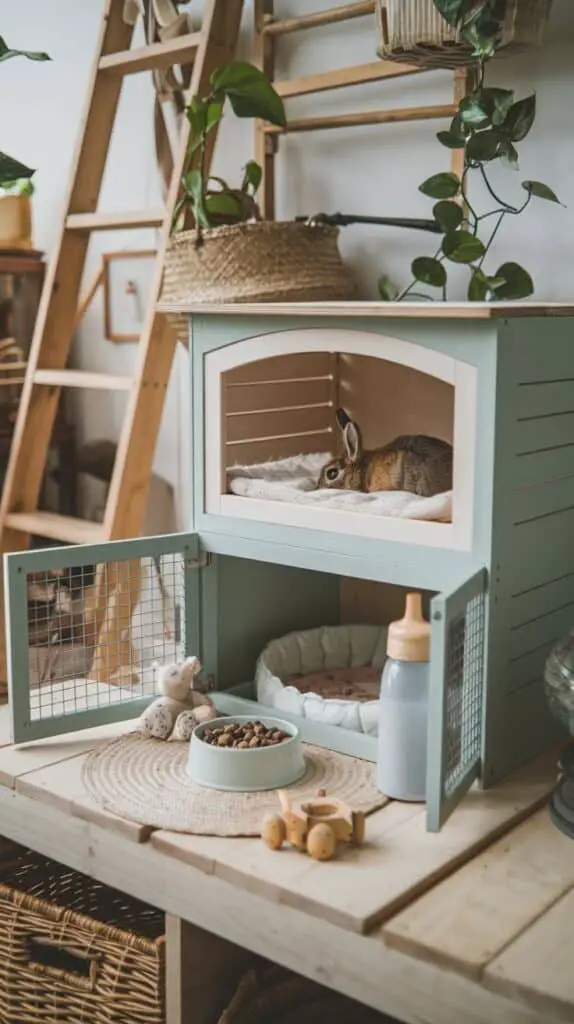
Overall, what you’re going for is the feeling of a cozy nook—a space where your rabbit can burrow, snack, snooze, and hop without stress. It should smell like fresh hay, feel safe and soft, and blend into your home or garden like it’s always been there.
Think of it like this: if you’d curl up with a book next to your rabbit’s hutch, it’s probably the right design. Whether it’s tucked under a shady tree outside or glowing softly under a warm light inside, this is about giving your little animals something more than just a “cage.” It’s giving them a home that makes you smile too.
